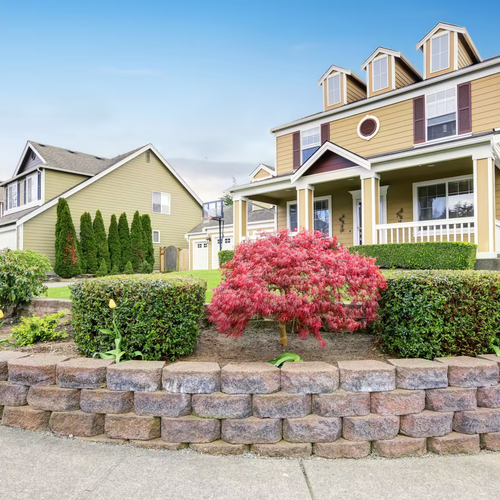

Owning a beautiful home along Georgia's coast is a dream for many people. But living in a coastal community also means preparing for the possibility of severe weather and other natural disasters.
Savannah and surrounding areas can experience tropical storms, hurricanes, tornadoes, and flooding. That's why homeowners should develop plans to protect both their property and the people who live there.
Whether you've recently purchased a home or have lived in coastal Georgia for years, these disaster preparedness tips can help you get ready for unexpected emergencies.
Tips for Hurricane Disaster Preparedness
Hurricane season presents an important concern for homeowners in Savannah. Following official forecasts and warnings from the National Hurricane Center can help you make timely decisions about protecting your home and family.
Emergency preparedness involves taking steps in advance so you're better equipped to respond to a disaster and recover afterward.
Consider the following preparations:
- Inspect your home for potential hazards and arrange necessary repairs before severe weather arrives.
- Develop a household hurricane preparedness plan, including evacuation arrangements.
- Identify appropriate shelter locations and learn where to go during different types of emergencies.
- Keep emergency supplies accessible, including medications, flashlights, a first-aid kit, drinking water, and nonperishable food.
- Establish an emergency communication plan so family members know how to contact one another.

General Emergency Preparedness Tips for the Homeowner
Hurricanes aren't the only emergencies that can affect a property. Fires, floods, and other unexpected events can also cause serious damage.
The following preparations can help homeowners protect their belongings, understand their insurance coverage, and respond more effectively when something goes wrong.
Take Inventory of Personal Property
Creating an inventory of your possessions is an important part of preparing for a disaster. A detailed record can help you determine whether your insurance coverage is adequate and provide documentation if you need to file a claim.
Consider photographing valuable belongings, recording descriptions, and keeping copies of receipts or appraisals. Store your inventory somewhere it can still be accessed if your home is damaged.
Having this information ready may make the insurance claims process easier and reduce the burden of trying to remember everything you owned after an emergency.
Prepare the Home
Preparing your home in advance can help reduce property damage and make it easier to protect important belongings.
When a power outage occurs, unplugging appropriate electrical appliances may help protect them from power surges when electricity returns. Follow utility and emergency-service instructions, and never handle electrical equipment that is wet or located in floodwater.
Food storage is another important consideration. In flood-prone locations, store dry food in sealed containers and keep it above areas where floodwater could reach it.
Keep refrigerator and freezer doors closed as much as possible during a power outage. Follow official food-safety guidance when deciding whether refrigerated or frozen food remains safe to eat.
Revisit the Insurance Details
Understanding your homeowners insurance policy before an emergency is essential. Review which types of damage are covered, what exclusions apply, and whether additional coverage may be necessary.
Different regions face different risks. Learning about the common disasters in your area can help you make informed decisions about insurance and emergency planning.
For coastal Georgia homeowners, flood coverage deserves particular attention because standard homeowners policies generally do not cover damage caused by flooding.
Review policy limits, deductibles, and coverage details with your insurance provider to make sure you understand your protection.
Prepare Before Disaster Strikes
Nobody wants to imagine a natural disaster affecting their home. However, taking preventive steps today is far easier than trying to make important decisions in the middle of an emergency.
A household emergency plan, an accessible supply kit, a current home inventory, and appropriate insurance coverage can all contribute to better preparedness.
If you're a new homeowner with Georgia Coast Homes, make disaster preparedness part of your homeownership routine so you and your family are better prepared for whatever the season brings.
By Stephanie James
Check out this article next