

The only thing that may make getting into the shower at the end of a hard day more stressful is finding that you are already standing in a few inches of water when you turn on the water to help you relax. Another time when you couldn’t help but feel down?
When your trash disposal gives out and your sink begins to fill with not just water but also bits of food and other debris, it is time to replace it. No matter the circumstances, one thing is for certain: clogged drains are a big source of frustration.
However, this does not necessarily imply that you need to contact your plumber right away. Find out how to identify the types of clogs that can be fixed without the assistance of a trained professional, as well as some pointers on how to fix them on your own.
Thankfully, your chances are good that you won’t need to call a plumber. Try these handy tips we’ve rounded up from the pros.
How to unclog a drain
Unless you’ve been putting things down the drain that aren’t meant to be disposed of via plumbing, (kids love to do that) the typical kitchen sink clog is a gooey mess of grease and food. In the tub and bathroom sinks, add hair to the mix.
The best first step when approaching a drain clog is to use hot water. Boil two to three quarts of water and pour it down the drain, slowly.
If that doesn’t work, and the clog is in the bathroom, take a trip to the hardware store to purchase a Zip-It. Donna Boyle Schwartz, at BobVilla.com, swears by this inexpensive tool.
“Zip-It is a long, slender piece of plastic with small barbs on the sides; you stick it down the drain as far as it will go and pull gently to remove the clogs,” she claims.
You can purchase the tool online at HomeDepot.com, Lowes.com, and Amazon.com.
Still, plugged up?
Time to bring out the big gun: the plunger. Ensure that you’re using a sink plunger for the sink and a toilet plunger for the toilet.
What’s the difference? A toilet plunger has a flange at the bottom and a sink plunger has a shallow, bell-shaped bottom. See a comparison photo at HouseGrail.com.
Fill the sink with several inches of water and push down on the plunger, gently and repeatedly until the water begins to drain.
If that doesn’t clear things up, you may have a clogged trap, which is the curved piece of pipe under the sink. Don’t worry, it’s not as difficult as it sounds.
First, put a bowl or bucket under the pipe to catch any water that may be in it. Unscrew the pipe with a wrench or pliers. Often, on newer-model pipes, they can be unscrewed by hand.
Place the trap under the faucet and run hot water through it and then clean the inside with a drain cleaning brush.
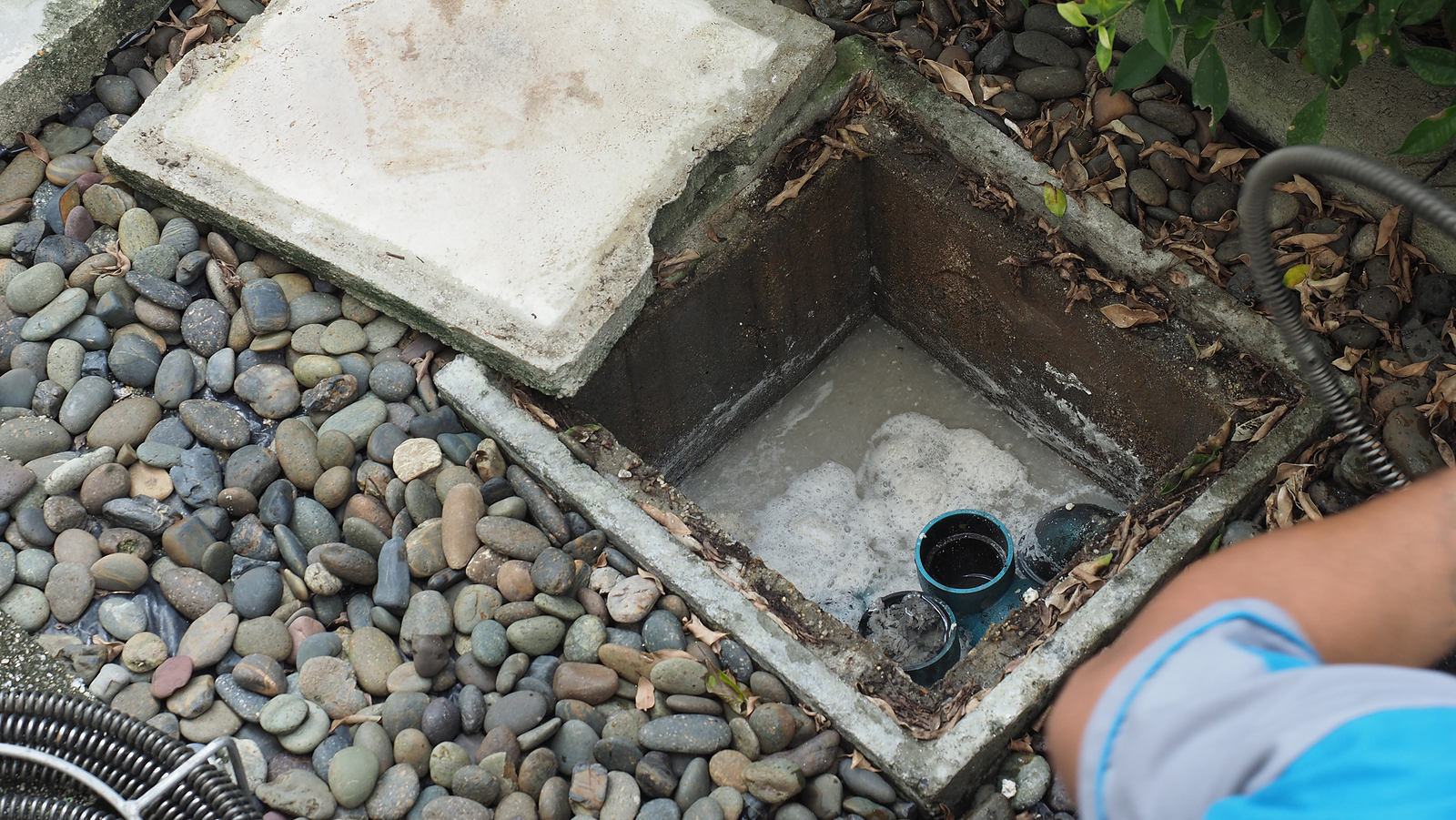
If all else fails, try using a toilet snake. Push it gently into the clogged pipe until you hit the clog. Then, turn the snake’s handle which will cause it to sort of “drill” through the clog.
By the way, don’t use a snake meant for cleaning sink drains. These are made of metal that can scratch the inside of the toilet bowl. Ensure that the auger you use is meant for use on toilets.
Finally, if you just can’t seem to clear a clog, call a professional plumber. You may have a clog in the sewer, which can only be handled by the pros.
Filed under Living in Savannah


