

I imagine we don’t need to tell you, but it’s a crazy, overheated real estate market out there. Some homebuyers are so desperate to land a deal that they’re waiving critical inspections and more.
It can be challenging to consider aspects of a home that need some time to ponder when you’re in the heat of a multiple-offer situation in which the price of your dream home is escalating.
This is most likely why a recent survey by a nationwide real estate portal finds that “75% of people who bought a home during the pandemic have regrets.”
Fifteen percent of Millennial homebuyers ended up disappointed by the location of their new home.
Before you commit, remember that home extends far beyond the walls of the physical house. When you purchase a home, you are actually buying into an entire neighborhood and the community that surrounds it.
How to get to know your new neighborhood? Well, taking the time to gather neighborhood information goes a long way toward ensuring many years of happiness in your new home.
Getting around
While a home may be where the heart is, we all need to get from home to work, school, shopping, and other activities.
Step number one, then, is to ensure the homes you like are in areas with convenient roads, access to highways and freeways (if you commute), and good public transportation for yourself and your children.
Drive around the neighborhoods and maybe even take a test drive to work during rush hour. Neighborhood information such as this is invaluable when buying a home.
Schools
Even if you don’t have children, schools are a vital factor in choosing neighborhoods because of the dramatic effect they have on home prices and resale value. The local school district should be able to provide you with information including:
- average class size
- percentage of students who graduate
- percentage of students who go on to college
Go online to the various school ranking sites for test scores, district and school boundaries rankings, and more. Head to schooldigger.com and greatschools.org.
You may also want to visit local schools to see if they are in good condition and if teachers seem competent and motivated.
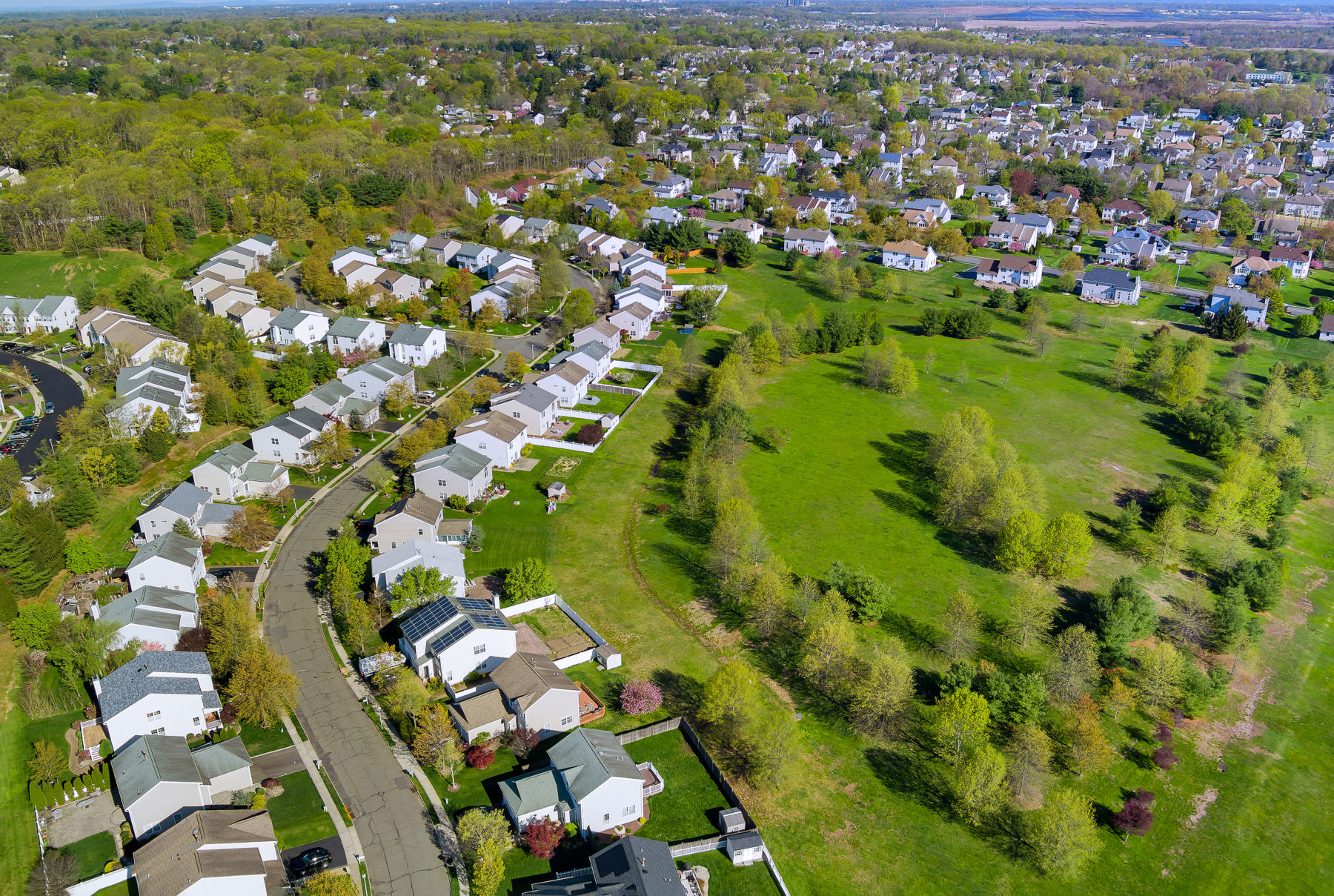
Community life
Every neighborhood has its own unique feel. Informed home buying involves spending some time in the neighborhoods you are considering so you can decide which is a good fit for you. Here are a few ideas to help you get a feel for a neighborhood:
- Check out the closest hospitals, houses of worship, museums, parks, sporting fields, and theaters.
- Find out if the neighborhood has a community association with guidelines you will have to follow.
- Learn about interesting organizations you may want to get involved in, such as a community theater, 4-H club, or historic trust.
- Have lunch in local restaurants and cafes.
- Shop in local stores, especially the supermarket.
- Take a walk around the neighborhood and chat with people you meet.
- Test your cell phone for area reception.
Neighborhoods and crime
Crime is up across the country. If this is a concern to you, a little research will help to ensure that you are considering homes in safe neighborhoods:
- Contact the local police department for a history of crime in the area, and crime statistics.
- Examine the neighborhood for signs of vandalism or neglect.
- Scan crime-tracking websites, such as spotcrime.com, and neighborhoodscout.com (there is a fee)
- Learn more about crime tracking for specific neighborhoods at areavibes.com and safewise.com.
Utilities
An often-overlooked factor in choosing a house to buy is utilities. The type of utilities available in a neighborhood will affect both your budget and quality of living.
- Does the house use a sewer, cesspool, or septic system?
- Is the house hooked up to town or well water?
- See if your prospective neighborhood is hooked up to natural gas or if homes are heated by electricity, oil, propane, or solar energy.
- Will you be cooking on a gas or electric stove?
- Don’t be afraid to ask the seller how much her average water, gas, and electric sewer bills are.
Yes, we’re in a red-hot market and yes, it moves quickly. To avoid regret with your purchase, however, it pays to take a bit of time to consider the neighborhood and surrounding community.
Filed under Buying


